close

SEA OWL™, a sensor system, is tested by Petrobras.

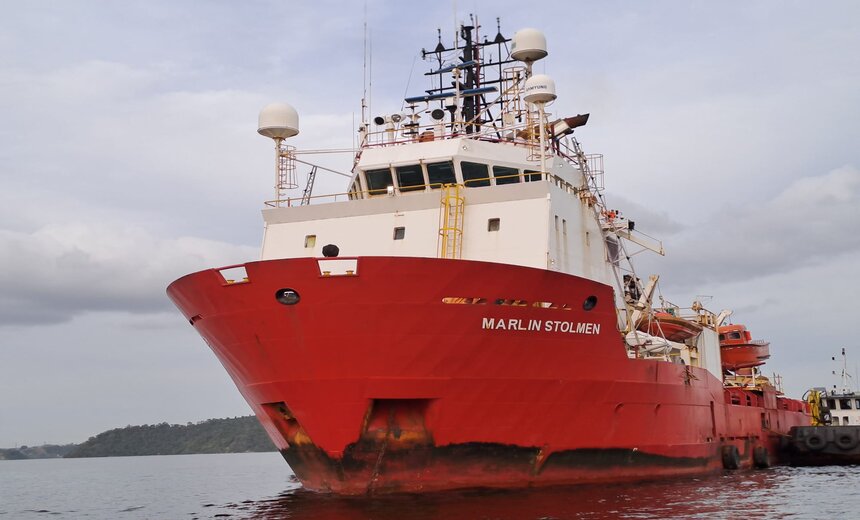
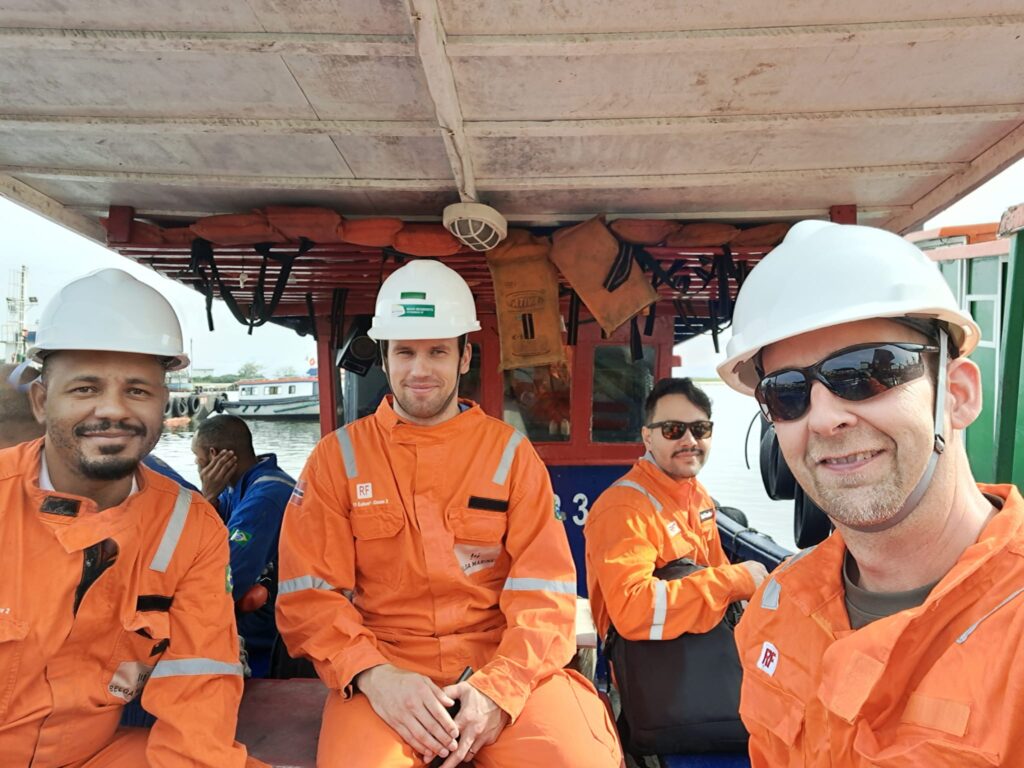
Together with the Belga Marine crew, Ocean Visuals carried out the installation of a SEA OWL™ sensor system for Petrobras on board the Oil Spill Response Vessel (OSRV) Marlin Stolmen.
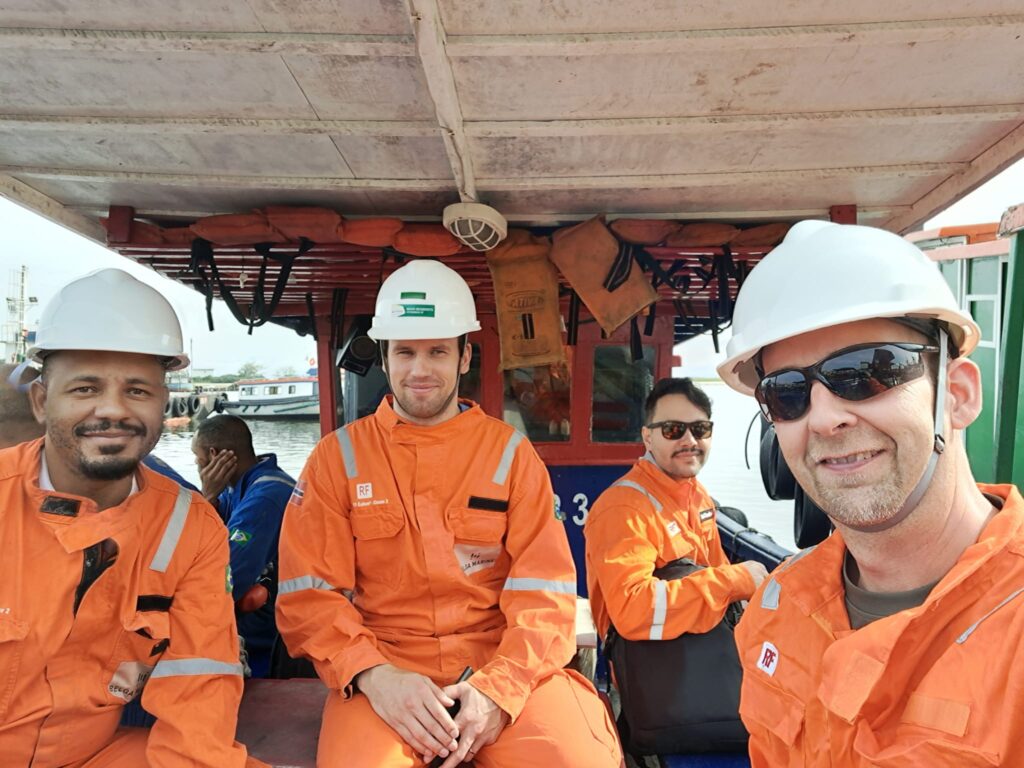
Belga Marine and Ocean Visuals crew

Working closely with the Petrobras R&D Remote Sensing team since 2018, Ocean Visuals has designed a sensor system that incorporates Petrobras’ wanted position in the detection, verification, and classification of oil in water, in real-time.
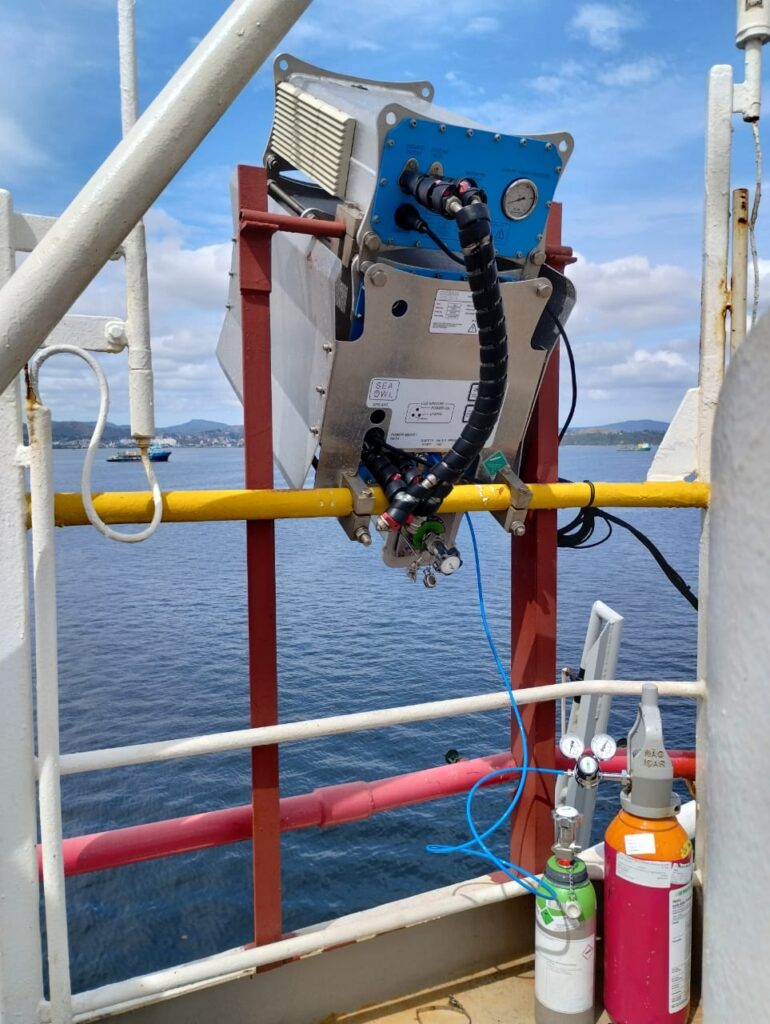
SeaOwl sensor

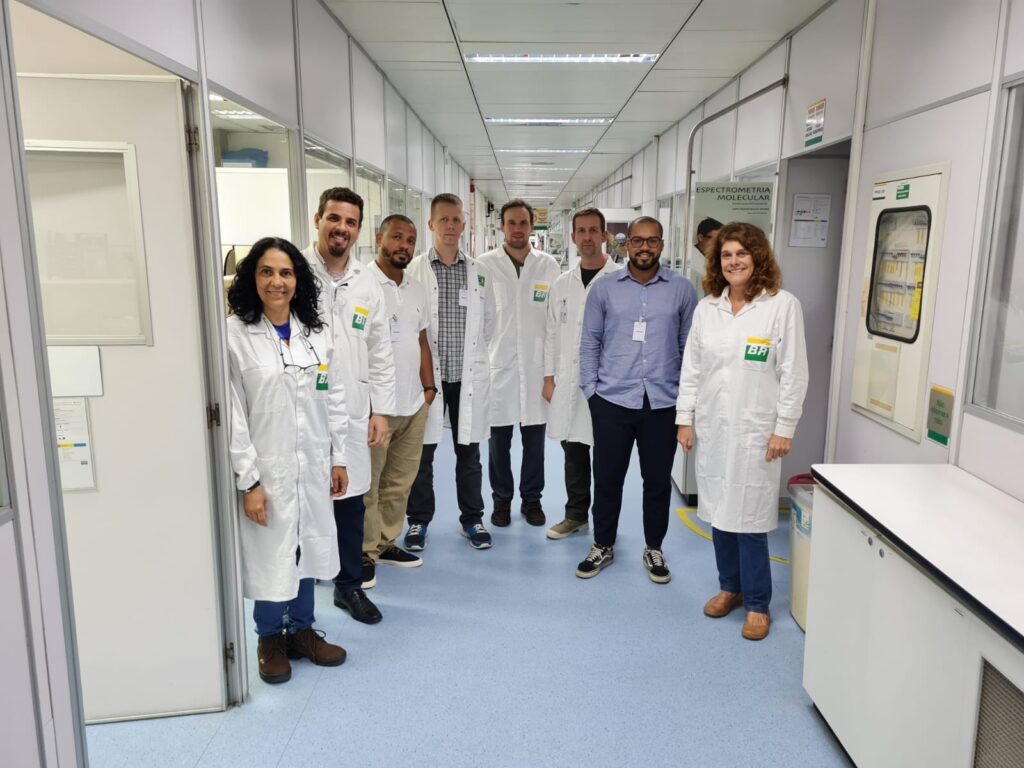
The sensor was installed aboard “Marlin Stolmen”, an Oil Spill Response Vessel (OSRV) operated by the Bravante Group in Brazil. The vessel typically operates in offshore fields on behalf of Petrobras. The Petrobras R&D Center (CENPES) has a group that evaluates and builds new technologies for safety and the environment, where Dr. Cristina Maria Bentz develops research in the field of remote sensing. One of the focuses is to evaluate and create new tools for the detection, verification, and classification of oil in water in real-time, without having to manage water samples to be sent to a laboratory.
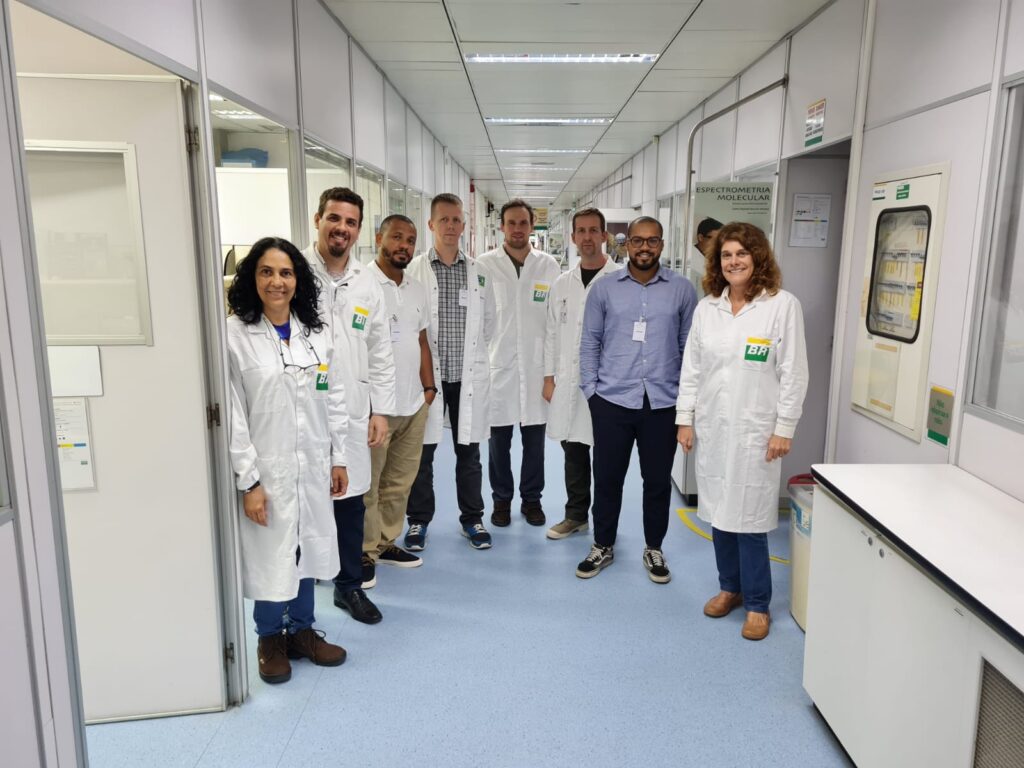
CENPES

To achieve this goal, in addition to field tests, a custom oil library is being built. The Ocean Visuals team works closely with the Petrobras Remote Sensing team and trained them in acquiring the spectral signatures of several known types of oil.

The spectral signatures will be stored in a database inside the SEA OWL™ lidar sensor aboard the vessel. Once the sensor detects a combination of hydrocarbon molecules in the water, that spectral signature is compared with the signature residing in the database. This way, real time detection, verification, and classification of oil type will be performed, autonomously. “We see a lot of potential benefits from using this technology”, says Dr. Cristina Maria Bentz of Petrobras R&D. First, the time and cost-saving to verify suspicious features in real-time, without oil or water sampling, decreased false alarms. Second, the evaluation of oil type, concentration, and/or thickness. And third, the promising detection of oil in the water column to the depth of laser penetration.
Sensor de Óleo, SEA OWL™, é testado pela Petrobras

Juntamente com a tripulação da Belga Marine, a Ocean Visuals realizou a instalação de um sistema de sensores SEA OWL™ para a Petrobras a bordo do Oil Spill Response Vessel (OSRV) Marlin Stolmen.

Belga Marine e OceanVisuals crew

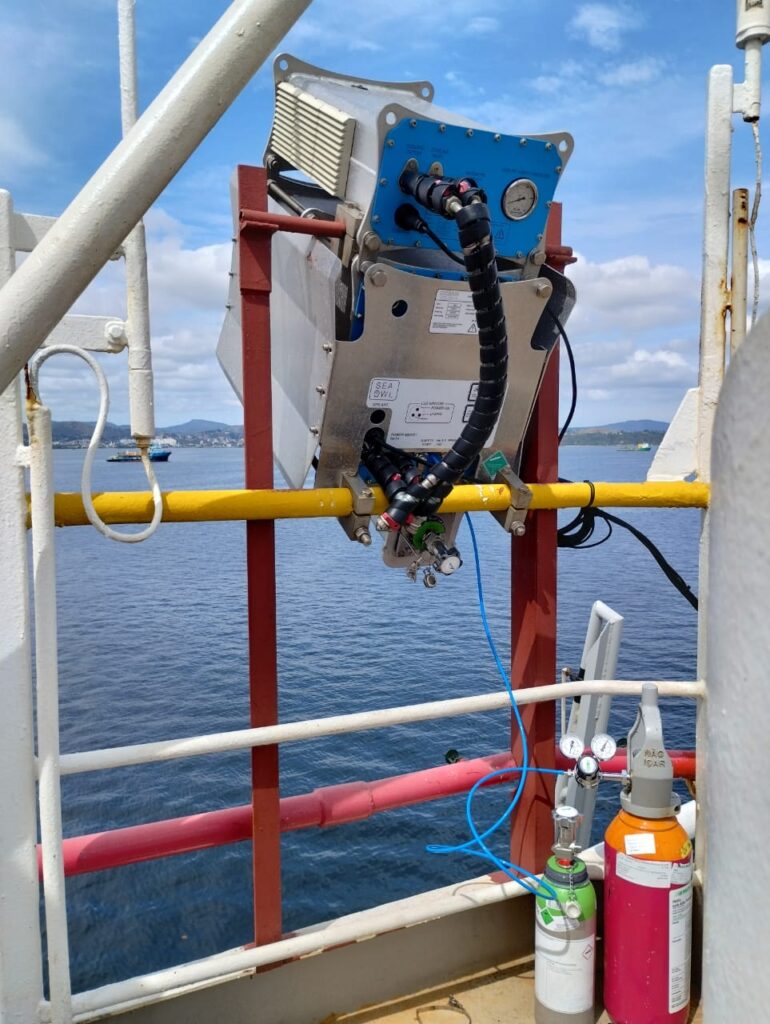
Trabalhando em estreita colaboração com a equipe de Sensoriamento Remoto de P&D da Petrobras desde 2018, a Ocean Visuals projetou um sistema de sensores que incorpora a posição desejada do operador na detecção, verificação e classificação de óleo na água, em tempo real.

SeaOwl sensor

O equipamento foi instalado a bordo do Marlin Stolmen, embarcação de resposta a derramamento de óleo (OSRV) operada pelo Grupo Bravante no Brasil. A embarcação opera em campos offshore, no momento afretada pela Petrobras. O Centro de P&D da Petrobras (CENPES) possui um grupo que avalia e constrói novas tecnologias para segurança e meio ambiente, onde a Dra. Cristina Maria Bentz desenvolve pesquisas na área de sensoriamento remoto. Um dos focos é avaliar e criar ferramentas para detecção, verificação e classificação de óleo na água em tempo real, sem a necessidade de gerenciar amostras de água para envio a um laboratório.

CENPES

Para atingir esse objetivo, além dos testes de campo, está sendo construída uma biblioteca personalizada de óleos. A equipe da Ocean Visuals trabalha em estreita colaboração com a equipe de Sensoriamento Remoto da Petrobras e os treinou na aquisição de assinaturas espectrais de vários tipos de óleos conhecidos.

As assinaturas serão armazenadas em um banco de dados dentro do sensor lidar SEA OWL™ a bordo da embarcação. Uma vez que o sensor detecta uma combinação de moléculas de hidrocarbonetos na água, essa assinatura espectral é comparada com a assinatura residente no banco de dados. Dessa forma, a detecção, verificação e classificação do tipo de óleo em tempo real serão realizadas de forma autônoma. “Vemos muitos benefícios potenciais com o uso dessa tecnologia”, diz a Dra. Cristina Maria Bentz, da Petrobras P&D.

Primeiro, a economia de tempo e custos para verificar recursos suspeitos em tempo real, sem amostragem de óleo ou água, diminuiu os alarmes falsos. Segundo, a avaliação do tipo concentração e/ou espessura do óleo. E terceiro, a promissora detecção de óleo na coluna d’água até a profundidade de penetração do laser.

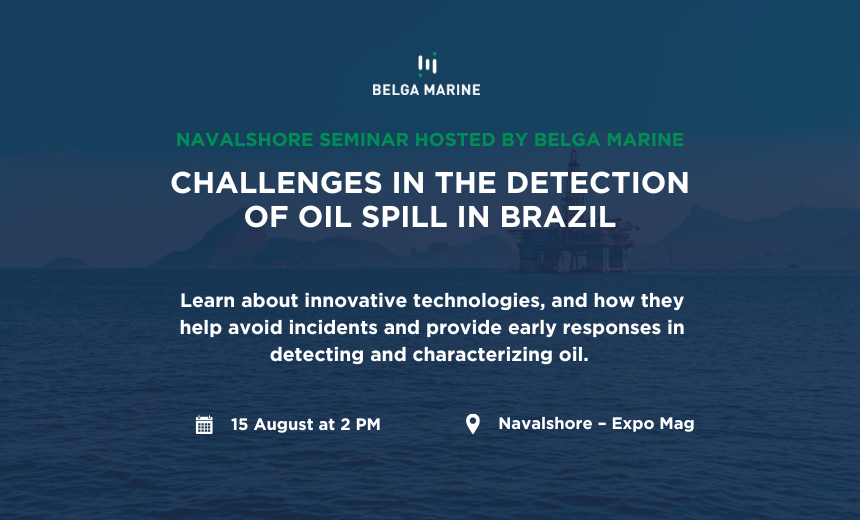
Navalshore seminar: Challenges in the Detection of Oil Spill in Brazil

Join us for this discussion between experts about Challenges in the Detection of Oil Spill in Brazil.

Besides being an exhibitor at Navalshore, Latin America’s biggest maritime event taking place from 22-24 August, Belga Marine will be presenting a talk about the challenges in the detection of oil spills in Brazil.

Together with the two technology companies, Miros and Ocean Visuals, and the Brazilian oil company, Petrobras, Belga Marine will share insights from its experiences with oil spill detection in Brazil.

In this seminar, you will learn more about the innovative technologies in this field, and how they help avoid incidents and provide early responses in detecting and characterizing oil.

When: 23 August at 14:00

Where: Navalshore – Expo Mag

Speakers:

  • Alexandre de Carvalho, Sales & Business Development Director – Belga Marine
  • Christian Testman, CEO – Ocean Visuals
  • Sahil Kochhar, Head of Operations – Miros Group
  • Cristina Bentz, Senior Geophysicist – Petrobras

Register for free here.

Copyright © 2020 Belga Marine Serviços de Eletrônica Naval Ltda. - All rights reserved